Serving the Poor & Suffering: Interview With Hal Donaldson
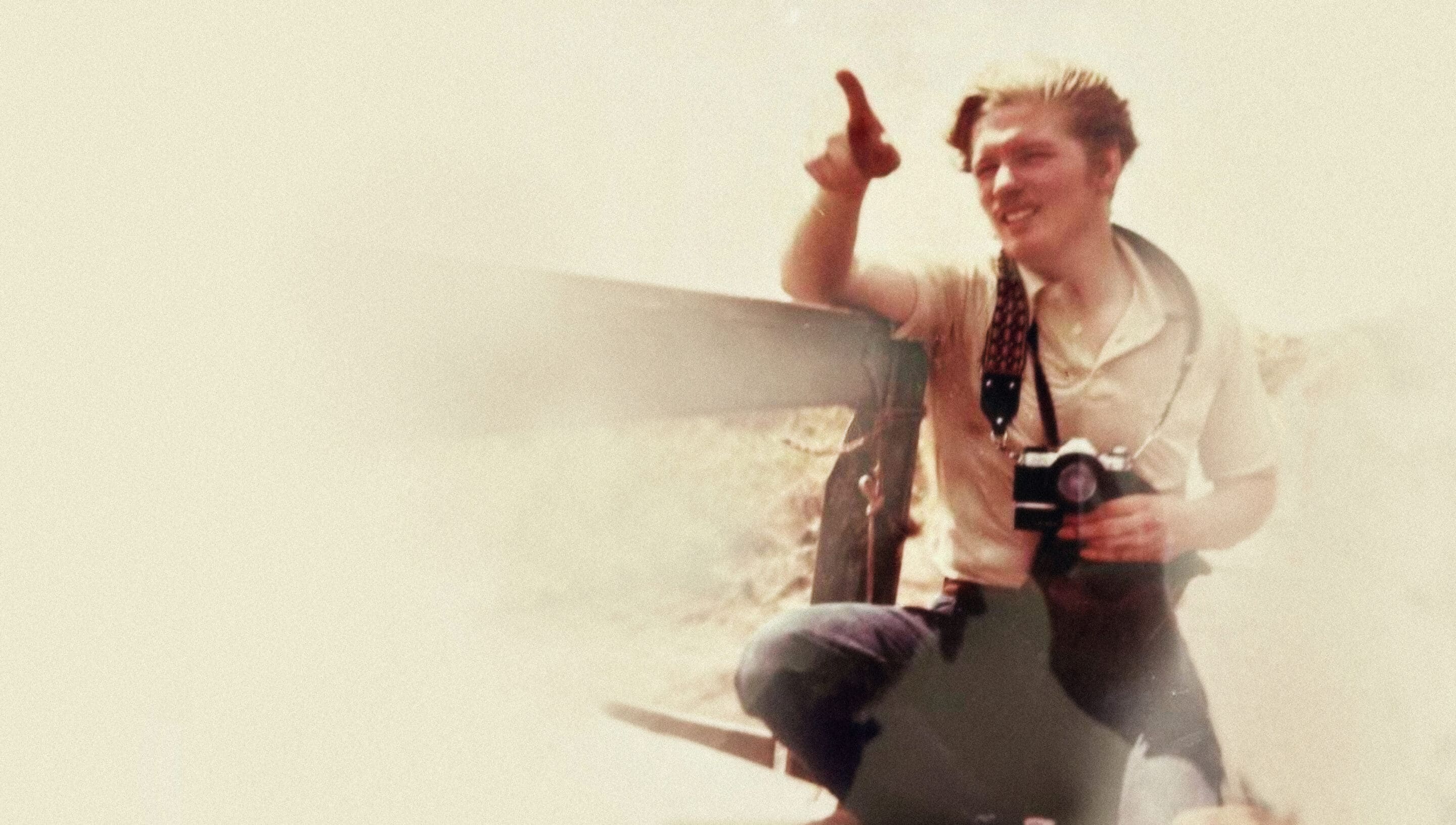
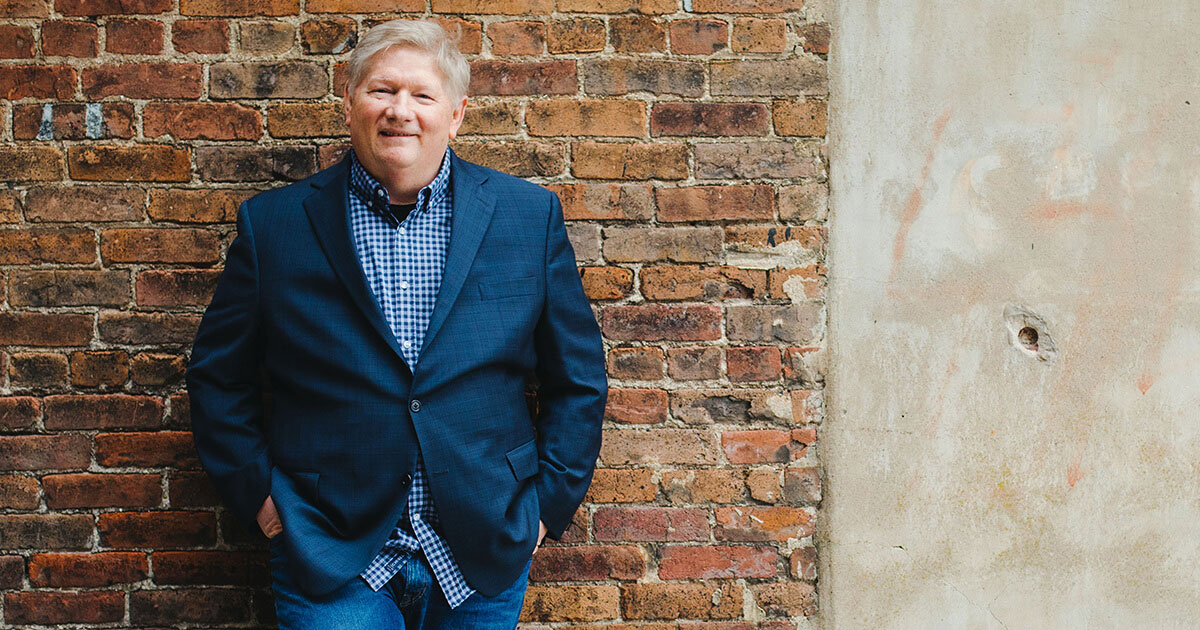
When he was 12, Convoy of Hope President Hal Donaldson lost his father to a drunk driver. The family was forced to rely on government assistance to get by, and Hal determined early on that he and those he loved would break free of poverty. But he found greater fulfillment when he expanded his vision and began serving the poor and suffering around the world — establishing Convoy of Hope in 1994. This interview originally ran in the U.S. edition of Hope Quarterly 39.
Q: The fight against poverty has been close to your heart. In part, because you were raised in poverty. Can you share about your experience?
Hal: When my dad was killed, my parents didn’t have insurance, and the man who hit them didn’t either. For a long season, our family survived on welfare and handouts as our single mother did her best to put food on the table. Living on food stamps meant the cupboards were sometimes bare.
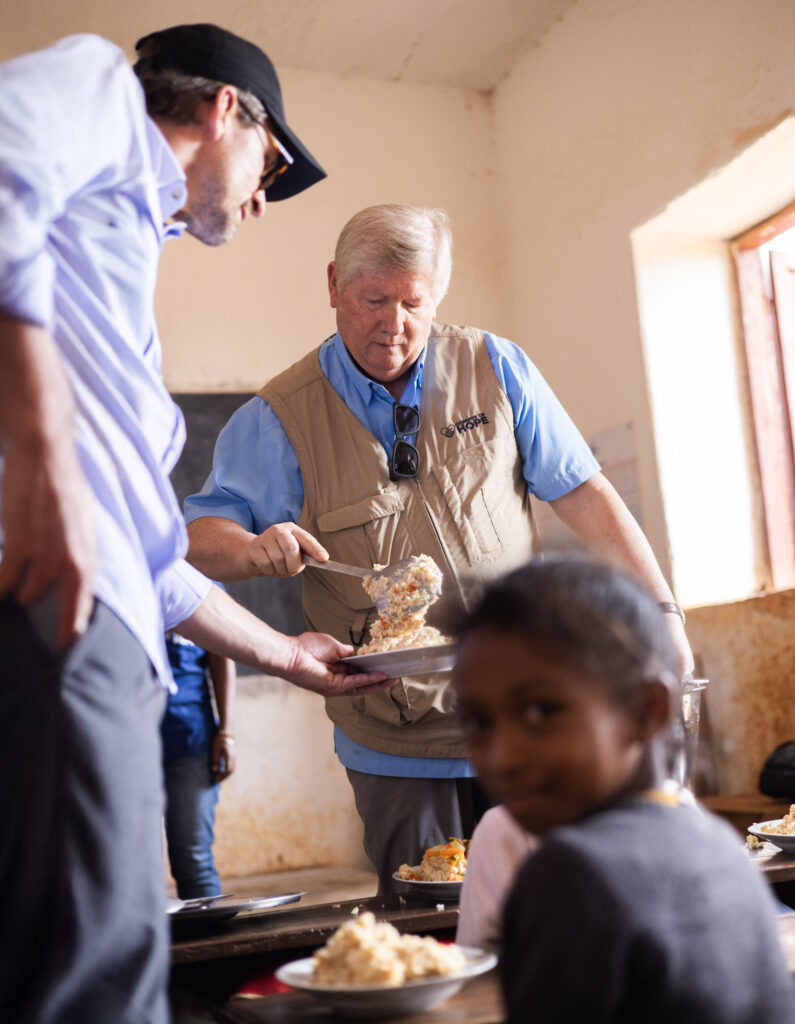
The poor are often labeled and even targeted. That erodes your self-worth and your self-esteem. Millions of children find themselves in similar circumstances, but that situation can change with the right kind of intervention. I believe Convoy of Hope can be part of the solution. Together, we can make sure fewer children go to bed hungry.
Q: You saw a lot of poverty firsthand 30 years ago. How has the landscape changed?
Hal: Some years ago, I traveled to eight cities. I walked the streets, talking to drug addicts, gang members, prostitutes, runaways, and the unhoused. I rode with the police on the midnight shift. I watched officers encounter one domestic violence episode after another. What’s happening today was happening then. But the scale has increased into larger segments of our communities. And much of this is tied to generational poverty. When you are trapped in poverty, you may have fewer opportunities to escape. You may not have access to a shower, for example, so you can’t clean up for a job interview. It’s difficult to stay healthy because you don’t have access to nutritious food. You’re completely dependent on public transportation. All of this means it is extremely difficult to land and maintain a middle-income job.
Q: What is Convoy of Hope’s plan?
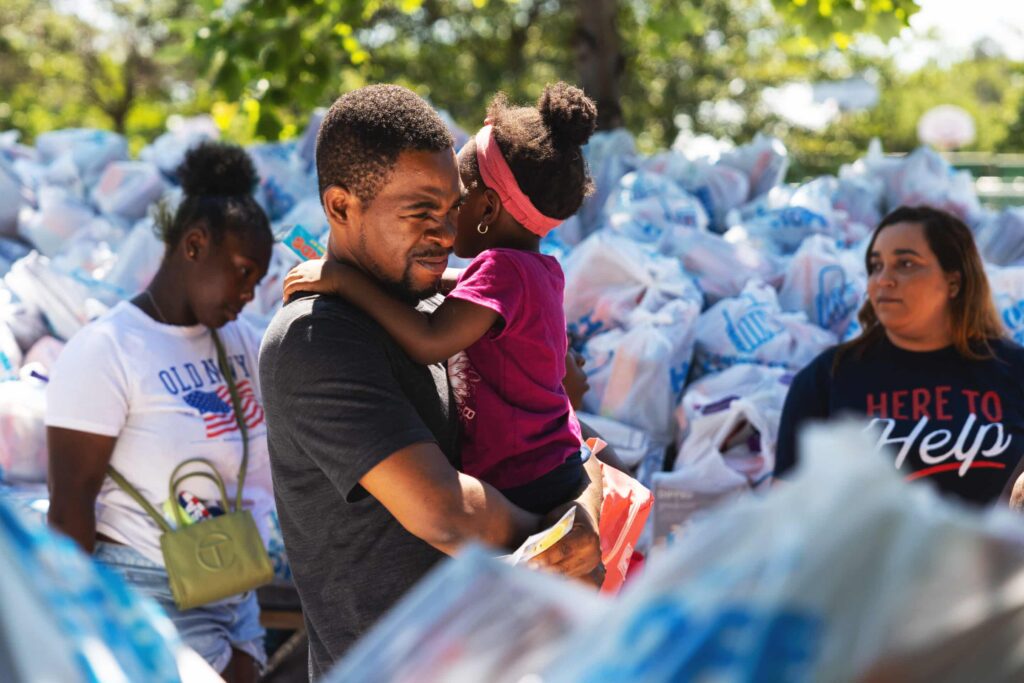
Hal: We believe churches, civic organisations, and corporations, together, can make a real difference. Fortunately, we don’t have to convince the public about the importance of civic responsibility. Convoy is already activating these sectors of influence through training, resourcing, and volunteer mobilisation. But we have a passion to do even more to maximise the potential of each sector.
Q: Can individuals really stem the tide of poverty? If so, what can they do?
Hal: Yes. They can use their voice to draw attention to the need. Two, they can roll up their sleeves and partner with their local church or civic organisation to offer a helping hand. Three, we can give of our resources. And, for people of faith, there is a fourth element — prayer. Put those elements together, and you will see poverty dramatically recede.